
Should there be fewer or more restrictions on current welfare benefits?
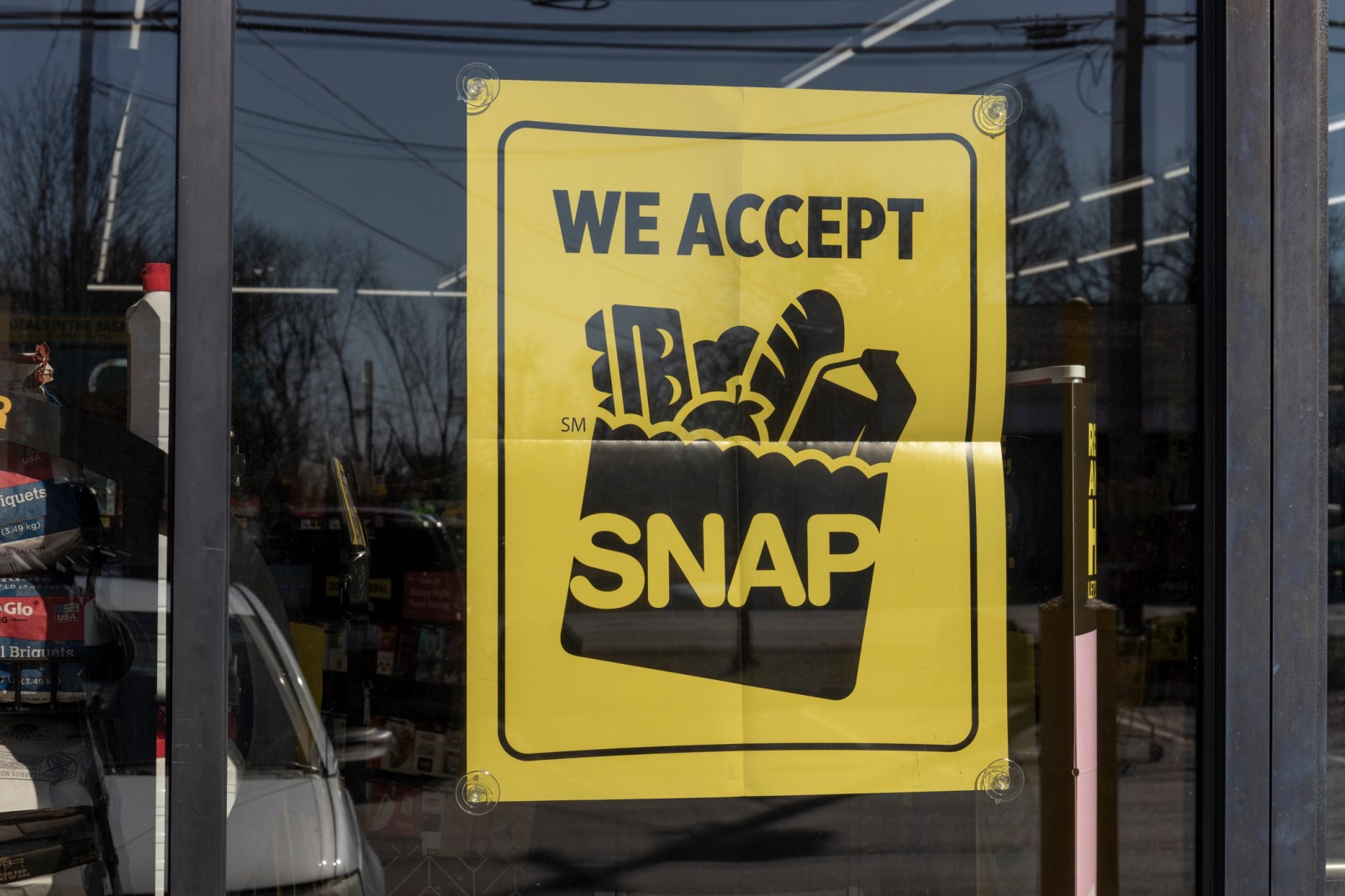
Welfare programs in the U.S. are designed to ensure that the basic needs of the American population are met. Federal and state social programs include cash assistance, health insurance, food assistance, housing subsidies, energy and utilities subsidies, and education and childcare assistance. Similar benefits are sometimes provided by the private sector either through policy mandates or on a voluntary basis. In 1996, Congress passed the Personal Responsibility and Work Opportunity Reconciliation Act (Welfare Reform Act). The new law placed permanent ceilings on the amount of federal funding…
Read moreToggle voterbase
Statistics are shown for this demographic
Voting for candidate
Answer Overview
Response rates from 356k America voters.
Historical Support
Trend of support over time for each answer from 356k America voters.
Loading data...
Loading chart...
Historical Importance
Trend of how important this issue is for 356k America voters.
Loading data...
Loading chart...
Other Popular Answers
Unique answers from America voters whose views went beyond the provided options.
@967FDNC4yrs4Y
@8G4T2586yrs6Y
@8FLK3FN6yrs6Y
@8D7X8VB6yrs6Y
@9665XKT4yrs4Y
@9G3DHMG3yrs3Y
@9GSGPR33yrs3Y
People should be encouraged and expected to provide for themselves as much as they are able to do so. Government does not exist to enable its citizenry in self destructive cycles of laziness but rather to help it rise up above challenges and help it be self reliant. No illegal immigrant should receive any form of welfare as it creates an undue burden on the us taxpayer.
Deleted4yrs4Y
Latest News
Stay up-to-date on the most recent “Welfare” news articles, updated frequently.

Popular Conversations
Join in on the most popular conversations.


About This Data
Based on 356k responses to this question.
These results come from iSideWith's ongoing political issues survey. We collect over a million responses per day, filter out duplicate and multiple submissions, and break the results down by political party, ideology, age, state, and census demographics (income, race, education, household).
iSideWith is non-partisan — we don't advocate for any party, candidate, or position. We report what the public tells us.
Cite Or Embed This Poll
Writing about this issue? Use the live data and link back to the full results.