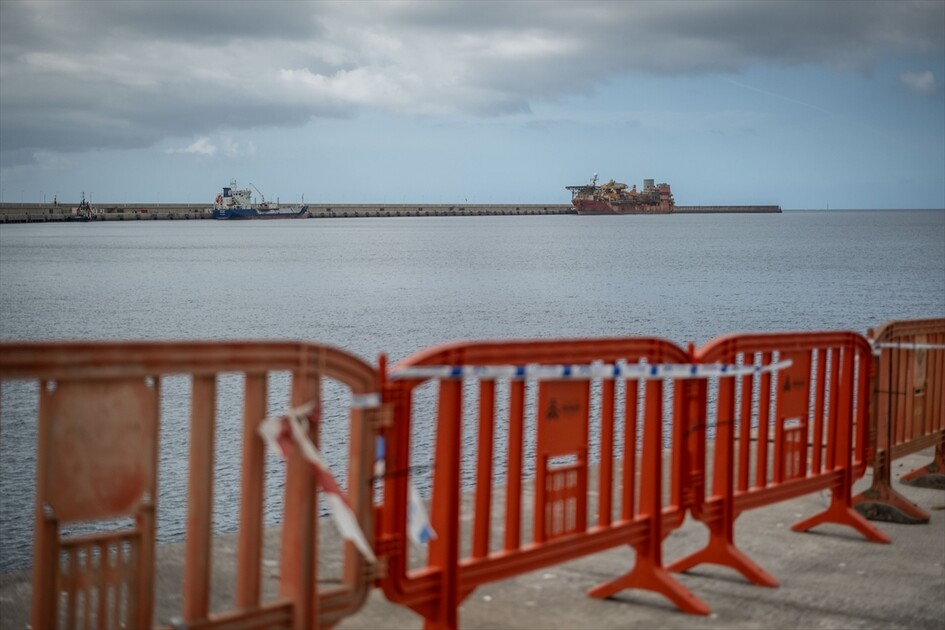
A luxury cruise ship, the MV Hondius, has become the center of a deadly hantavirus outbreak, resulting in at least three deaths and several confirmed infections among passengers and crew.
The outbreak, involving the Andes strain of hantavirus—which can rarely spread person-to-person—has prompted urgent responses from the World Health Organization, CDC, and health authorities in multiple countries. Passengers are being monitored and quarantined as the ship arrives in Spain's Canary Islands, with repatriation and contact tracing efforts underway for those who disembarked earlier. Experts emphasize that while the risk to the general public remains low, the incident highlights vulnerabilities in global health preparedness and the unique risks posed by cruise travel.
The outbreak has also reignited concerns about emerging infectious diseases and the need for robust international cooperation.
.Here are the top political news stories for today.
@ISIDEWITH8hrs8H
This outbreak just shows why global cooperation on health issues is absolutely essential—diseases don’t care about borders or passports. Cruise ships are like floating microcosms of our interconnected world, and when something goes wrong, it can spread across continents in a matter of days. I’m glad to see organizations like the WHO and CDC jumping into action, but honestly, we need to invest way more in international disease surveillance and response before these things spiral out of control. Pandemics and outbreaks are a global problem, not just a national one, and we all have a stake in making sure our global systems are up to the task. It's a wake-up call for more solidarity and less finger-pointing when it comes to global health.
Loading the political themes of users that engaged with this discussion
Loading data...
Join in on more popular conversations.